Most drivers think about tint only when the summer sun turns the cabin into a slow cooker or when a cracked windshield sends them to an auto glass shop. In Columbia, tint choices ripple across comfort, safety, visibility, and the law. I’ve spent years around vehicle glass repair in South Carolina, from quick windshield chip repair on a muggy afternoon to full windshield replacement in a cramped garage. Tint is one of those decisions that seems simple until it isn’t. The right film can make a commute calmer and keep your dash from peeling. The wrong film can invite tickets, ruin night visibility, or make future windshield repair in Columbia more expensive than it needs to be.
This guide walks through the practical side of tint in our climate, the rules South Carolina enforces, and how those choices interact with auto glass services in Columbia. Expect real advice, not generic rules of thumb. By the time you call a mobile auto glass Columbia tech or stop by an auto glass shop Columbia drivers trust, you’ll know what to ask for and what to avoid.
What South Carolina Law Actually Says About Tint
Tint laws exist to balance driver comfort with visibility for both you and law enforcement. South Carolina’s rules are straightforward, but details matter. The regulations focus on two concepts: how much light has to get through the glass, and how reflective (mirror-like) the film can be.
Here are the practical anchors you should know:
- Windshield: You can have a non-reflective strip along the top portion of the windshield, typically above the AS-1 line embedded on most windshields or the top several inches if the line is not present. The rest of the windshield must remain untinted, aside from factory shading that comes in the glass itself. Front side windows: The state generally expects at least a medium level of light transmission, often around 27 to 35 percent visible light transmission (VLT) depending on vehicle classification and how measurements are taken on film plus glass together. “Limo dark” on the front doors will risk getting pulled over. Rear side windows and back glass: You have more flexibility. Darker tints are allowed on many passenger vehicles, though reflectivity limits still apply. Reflective and colored films: Highly mirrored films are not allowed. Also, certain colors are restricted. Stick to neutral charcoal, smoke, bronze, or light gray for a compliant, factory-like look. Medical exemptions: South Carolina allows exemptions for documented medical needs that justify darker tint. You must carry the exemption paperwork.
Laws can be updated and enforcement can vary by county. Before you schedule tint with an auto glass shop Columbia residents recommend, confirm the current VLT limits for your vehicle type. A reputable shop will meter the glass and film together to make sure you pass.
How Tint Affects Daily Driving in Columbia
Our summers are hot and humid, and even spring days can turn sharp in the afternoon. A high-quality tint changes the way a car feels in traffic, makes the AC work less, and saves your interior from UV abuse. But tint also changes night driving, side-glance visibility, and your ability to spot cyclists or pedestrians in the rain.
On the plus side, modern films can block 99 percent of UV and a significant chunk of solar heat. Even a light legal tint can reduce heat transfer by 30 to 50 percent depending on the film family. That means your AC doesn’t roar at full blast on every errand, and your steering wheel doesn’t brand your palms when you leave work. The cabin stays more even, which helps if you have a baby seat or older pets in the back.
The trade-off appears after sunset, especially if you pick a darker legal tint for the rear glass. When rain, glare, and tinted rear windows mix, backing out of a crowded Five Points parking lot can feel harder than it should. It’s not unsafe if you pick carefully, but it’s a real factor. My rule of thumb for daily commuters is to keep front doors comfortably legal but not borderline, let the back doors carry the style and privacy, and skip ultra-dark films if you drive a lot at night in unlit areas.
Film Options: Dyed, Metalized, Carbon, Ceramic
If tint were just about darkness, this would be easy. The more useful distinction is film type. The film family affects heat rejection, radio or phone interference, longevity, and how the glass looks from outside.
Dyed film sits at the budget end. It cuts glare and adds privacy, but will fade faster under our UV-heavy summers and usually blocks less heat. For a short-term car or a secondary vehicle that lives in a garage, dyed film can be fine.
Metalized film uses tiny metallic particles to bounce heat away. It cools better than dyed film and holds color well, but can interfere with radio, cell, or GPS signals. Many drivers never notice, but if you already fight weak reception, metalized may not be worth the risk.
Carbon film moves into premium territory. It delivers deeper color that resists fading, better heat rejection than dyed film, and no interference. It often carries a lifetime warranty if installed correctly. For many Columbia commuters, this is the sweet spot.
Ceramic film sits at the top. It blocks a high percentage of solar heat and infrared, even at lighter shades, and it does not mess with electronics. You get serious heat reduction with a legal VLT, which means clearer night visibility and less chance of enforcement trouble. The downsides are higher cost and the need for careful installation.
When I’m advising a driver who values long-term comfort and fewer headaches, ceramic wins. If budget matters and you only plan to keep the vehicle a few years, carbon strikes a sensible balance.
The Windshield Question: Tint Strip and Clear Heat-Rejecting Film
If you do one thing, pick a legal tint strip at the top of the windshield. It’s a small change with outsized benefits. That brow strip catches the worst sun angle in late afternoon and saves your eyes in a way sunglasses never quite manage when glare hits the upper edge of your field of view. Ask your technician to align the strip precisely at or above the AS-1 line. Sloppy placement can lead to fix-it tickets and more time in the shop.
For drivers who want more heat reduction without darkening the windshield, there is a clear or nearly clear ceramic film option. It stays within legal transparency for the windshield yet blocks heat and UV. Long interstate days feel less fatiguing, and your leather doesn’t bake. Not every auto glass shop Columbia has on Main Street or Two Notch carries premium clear films, so call ahead.
How Tint Choices Affect Repairs and Replacements
This part catches many owners by surprise. Tint decisions affect the cost and speed of auto glass replacement Columbia residents may need after storm debris or highway gravel does its worst.
Windshield replacement Columbia technicians will tell you modern cars often require ADAS recalibration after a new windshield. Cameras sit behind the glass near the rearview mirror. Dark or reflective films in the brow area, or mispositioned tint strips, can interfere with camera visibility. If you already have a strip and then need a new windshield, plan to reinstall it only after recalibration. Some shops prefer to leave the camera area untinted entirely to keep lane-keep assist and forward collision systems happy.
On door glass, replacement introduces a different wrinkle. If you have aftermarket tint and a thief breaks a window, the new glass arrives bare. You’ll need a fresh tint install to match the other doors. Keep your original tint brand and shade on file with your auto glass services Columbia provider, or at least in your glove box. Matching is much easier when the installer knows whether your back doors are carbon at 20 percent or ceramic at 35 percent.
For cracks and chips, tint matters mostly on the rear window. Defroster lines and aftermarket tint share real estate on that backlite, and sloppy removal during vehicle glass repair Columbia services can damage the defrosters. It’s fixable, but it takes time and finesse. When you book car window repair Columbia wide, tell the shop exactly what and where you’ve tinted, because it affects the tools they bring.
A Columbia Case Study: The Daily Driver Versus the Weekend Rig
Two customers, two setups. A nurse who commutes across town on I-126 chose a ceramic 35 percent on the front doors, 20 percent on the rear doors and back glass, plus a legal ceramic brow strip. The cabin felt noticeably cooler during day shifts. She drove home at night, and the 35 percent up front left enough clarity to spot pedestrians around the hospital stoplights. No trouble at annual inspections.
A weekend fisherman in a dark-painted Tacoma wanted privacy and glare control. We agreed on carbon at 35 percent up front and 15 percent in the back, a conservative brow strip, and a virtually clear ceramic on the windshield for heat rejection. He drives rural roads before dawn. The clear windshield film helped cut headlight glare and kept him from pushing the brow strip too low. He later needed windshield chip repair Columbia drivers know is common after highway construction on I-20, and the shop easily worked around the clear film without peeling the brow.
Both setups kept within the law, respected their night driving patterns, and simplified future service appointments.
Factory Privacy Glass Isn’t the Same as Tint
SUVs and trucks often roll off the lot with dark rear glass. That’s privacy glass, not a heat-rejecting film. The glass is dyed in the manufacturing process, which adds privacy and glare control but not much infrared blocking. You can still add ceramic film on top to cut heat without darkening further, as long as total reflectivity stays legal.
If you replace a rear door glass with OEM privacy glass, it will visually match the other side. If you add aftermarket tint to factory privacy, keep notes on the film choice. If you later need mobile auto glass Columbia service after a rock chips a door glass in your driveway, the tech can bring a matching film and save you a second appointment.
How Long Tint Lasts in Our Climate
Sun exposure, film quality, and installation technique decide the lifespan. In Columbia’s UV-heavy summers, dyed film may fade in 2 to 4 years, carbon tends to hold up 5 to 8, and ceramic commonly lasts 8 to 10 years or more. Edges that lift, purpling, or haze show up first on rear windows that bake under the hatch or on the southern side of street-parked cars.
If your vehicle spends full days in uncovered lots near the Vista, springing for ceramic often pays for itself in reduced AC strain and longer life. Parking under trees helps, but pollen and sap become their own maintenance chore, so keep a mild glass-safe cleaner in the trunk.
Installation Quality: The Details You Don’t See
A great film can look cheap if installed poorly. Tiny dust nibs look like stars at night. Crooked edges around the dot matrix at the top of rear glass can drive you nuts. That’s why I steer people to an auto glass shop Columbia residents recommend for both tint and repair. Shops that also handle windshield replacement Columbia wide understand curved glass, defroster lines, and sensor housings in a way general accessory installers sometimes miss.
I look for two things: clean rooms or isolated bays for tint, and a tech who will show you sample cards on your car in the sun. Film that looks tasteful in a showroom can appear darker on a gray interior and lighter on tan leather. Seeing a sample against your vehicle saves regrets.
Saving Your Warranty and Your Safety Systems
When the windshield is replaced, ADAS recalibration is not optional. If your car uses a forward camera, the shop either performs static/dynamic recalibration in-house or coordinates with a specialist. After recalibration, adding or reapplying a too-dark brow strip can nudge the system out of spec. Work with the shop that did the recalibration. They will either keep the camera area clear or verify function afterward.
Tint can also complicate embedded antennas at the rear glass. Avoid metalized film on backlites with radio or GPS strips, and tell the installer exactly which features your car has. Many newer cars hide them in the glass.
What Happens After a Crack or Chip
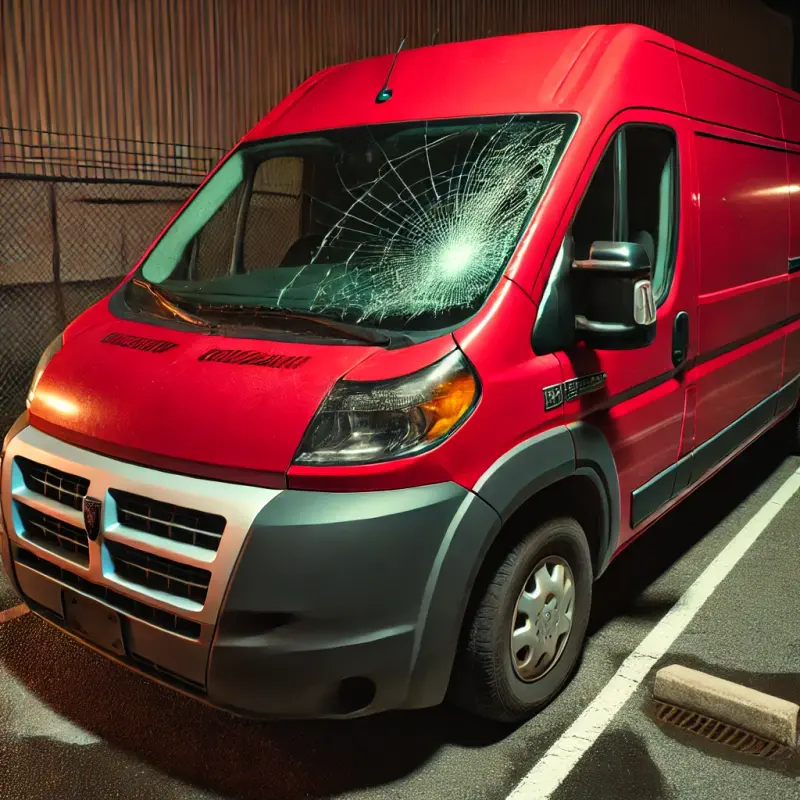
A cracked windshield Columbia roads can dish out after a week of temperature swings is a common story. Tint does not go on the main windshield area, so it doesn’t complicate repairs there. You can usually drive to the shop or book mobile service if the crack is small and not in the driver’s line of sight. For windshield chip repair Columbia technicians look at size, location, and whether the damage has legs radiating to the edge. Small chips can be filled in 30 minutes. Heat inside a tinted cabin can make resin cure faster, but not enough to change your appointment plans.
Door glass cracks are different. Tempered side glass often shatters into cubes on impact, tint or not. After replacement, you’ll need the film reapplied. Shop schedules fill quickly after hail, so if a storm passes and you see one good hit on a side window, call your preferred auto glass services Columbia provider immediately. Ask if they can coordinate replacement and tint in a single visit.
Two Quick Checklists Before You Tint and Before You Repair
Pre-tint decisions that keep you legal and comfortable:
- Measure your current glass VLT, especially on vehicles with factory privacy glass in the rear. Map your driving: heavy night miles or rural roads argue for lighter tints up front. Decide on film family: carbon for balance, ceramic for heat control and longevity. Confirm current South Carolina VLT and reflectivity limits for your vehicle class. Plan for future repairs: keep the film spec sheet and installer info in your glove box.
Before you schedule vehicle glass repair Columbia technicians to handle:
- Document your tint details and share them with the shop ahead of time. Ask if they perform windshield camera recalibration on-site when replacing glass. Request OEM or high-quality aftermarket glass compatible with your ADAS and antenna systems. Clarify whether the mobile auto glass Columbia team can also reapply tint, or if that requires a bay visit. Schedule around weather: resin and adhesives cure best in dry, moderate conditions.
Budgeting: What Makes Prices Vary
Prices swing with film quality, vehicle size, and the skill of the installer. Small sedans are cheaper than large SUVs, and a full-coverage ceramic package can cost twice as much as dyed film. For windshield replacement, ADAS recalibration adds a predictable bump, and premium glass with acoustic lamination runs more than basic aftermarket panes.
If your budget is tight, prioritize a legal ceramic or carbon on the front doors and the brow strip first. Add the rear doors and back glass later when you can. If you have to repair a cracked windshield Columbia summer heat helped spread, ask about insurance coverage. Many policies cover windshield repair with low or no deductible, especially for chip repairs.
Local Realities: Pollen, Heat, and Enforcement
Spring pollen blankets everything, which means dust between tint and glass is more likely if the shop is not careful. Good installers wipe, tack, and wet the glass obsessively. If your tint appointment falls in peak pollen, ask for a morning slot. Doors are opened and closed fewer times, and airborne debris is lower.
Heat is both the reason to tint and the reason to use better film. Cheap dyed film can hit its limit by the second summer. Ceramic or carbon helps cabins cool faster, which you feel within the first week. Enforcement is reasonable in Richland and Lexington counties, but a too-dark front window is an easy stop. Edge closer to legal than to your personal threshold for privacy.
When to Call Mobile Versus Shop Service
Mobile service shines windshield chip repair Columbia for simple windshield chip repair and straightforward door glass replacement in your driveway. It struggles when the job needs tint removal and reapplication, complex ADAS calibration, or back glass work on a tight street with no shelter. If you suspect the repair will touch tint or cameras, book the shop. If you just caught a small chip and the weather looks stable, mobile auto glass Columbia pros can save your lunch break.
A Sensible Setup For Most Columbia Drivers
If you want a practical package that stays legal, cool, and clear at night, here’s the pattern that works well in the Midlands. Ceramic at 35 percent on the front doors. Ceramic or carbon at 20 to 25 percent on the rear doors and back glass, if allowed by your vehicle class, to keep passengers comfortable without creating a black cave after sundown. A legal, non-reflective brow strip above the AS-1 line. Consider a clear ceramic on the windshield for heat and UV if you have a long commute or park outside at work. Keep reflectivity low and color neutral to avoid enforcement headaches.
Pair that with a shop that can handle both tint and auto glass replacement Columbia wide, and keep your film specs at hand. That way, when a tire spits a pebble and you start browsing car window repair Columbia options on your phone, you’re not starting from zero.
Final Thoughts From the Bay
Good tint makes Columbia summers feel less punishing. It protects your eyes, your skin, and the parts of your car that age fast under UV. It also interacts with everything else in your glass world: the sensors behind your windshield, the antennas in your backlite, and the timeline when you need windshield replacement after a hidden crack runs. Choose film for heat and clarity, not drama. Respect South Carolina’s tint rules. Treat install quality like the investment it is.
Whether you visit an auto glass shop Columbia has trusted for years or schedule a quiet mobile appointment in your driveway, be upfront about your tint, your driving patterns, and your expectations. The right conversation produces the right result: a cool cabin, legal glass, and fewer surprises when life throws its next stone.